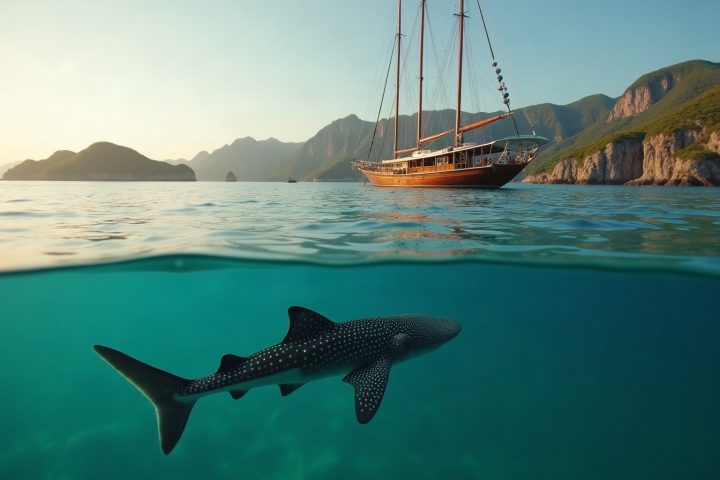
The cost of a Derawan Private Trip depends on the vessel type and season. For speedboats, expect rates from USD 200–250 per night, while liveaboards range from USD 400–600+ per night, inclusive of crew, chef, and dive guides.
Understanding Derawan Charter Pricing
The cost of chartering a yacht around Derawan can be influenced by several factors, including the type of vessel, the length of your stay, and the time of year you choose to visit. The Derawan Private Trip is priced per night for the whole yacht, with the crew, chef, and dive guides included.
How Derawan Charter Is Priced
| Factor | Pricing Impact |
|---|---|
| Vessel Type | Speedboat (12–20m, day-use cabins, up to 14 guests) vs. Liveaboard (25–35m, 5–7 cabins, 10–14 guests) |
| Nights | Minimum 4 nights; 4-night (4D3N) and 7-night (7D6N) itineraries are common |
| Guests | Price per night is fixed regardless of guest count (up to vessel capacity) |
| Season | Best season: March–October (manta visibility peaks April–September); year-round for stingless jellyfish lake |
| Included | Crew, chef, dive guides, fuel, standard meals, diving/snorkeling equipment |
| Extra | Personal expenses, premium drinks, airport transfers, conservation fees (if applicable) |
Indicative Price Ranges for Whole-Yacht Charter
Charter costs can vary significantly based on your chosen vessel and itinerary. Here are the indicative price ranges:
- Speedboat (12–20m): Approximately USD 200–250 per night.
- Liveaboard (25–35m): Approximately USD 400–600+ per night.
These prices include all standard amenities, while additional costs may apply for premium services.
What’s Included and What’s Extra
What’s Included
- Crew, chef, and dive guides
- Fuel and standard meals
- Diving and snorkeling gear
- Conservation fee (if applicable)
What’s Extra
- Personal expenses (souvenirs, laundry)
- Premium drinks and specialty dining
- Airport transfers (unless specified)
- Local levy: ~IDR 0 / USD 0 per foreign visitor (small levy where applicable)
How to Quote a Derawan Private Trip
- Specify vessel type (speedboat vs. liveaboard) and guest count.
- Choose itinerary length (minimum 4 nights; 4D3N or 7D6N options).
- Select season (March–October for best marine visibility).
- Request all-inclusive rate (crew, chef, guides, fuel, meals).
- Confirm extras (transfers, premium dining, conservation fees).
Key Sites & Vessel Names
| Site | Description |
|---|---|
| Kakaban Jellyfish Lake | Stingless jellyfish, year-round access |
| Maratua Atoll | Dramatic drop-offs, drift dives |
| Sangalaki Manta Point | Manta rays, hawksbill turtles (best April–September) |
| Derawan Turtles | Frequent turtle sightings |
Who It’s For
This trip is ideal for discerning travellers seeking a bespoke adventure in one of Indonesia’s most intriguing marine environments. If you a seasoned diver, a family seeking a unique holiday, or a couple desiring a secluded getaway, the Derawan Private Trip offers a tailored experience that caters to your specific interests and needs.
FAQs
What is the best time to visit Derawan?
The best season for visiting Derawan is from March to October, with peak visibility for mantas from April to September.
How do I get to Derawan?
Fly to Kalimarau (BEJ) in Berau, East Kalimantan, and then take a sea transfer to the islands.
Are conservation fees included?
Yes, any applicable conservation fees are included in the charter price.
What activities can I expect during the trip?
Activities include diving, snorkeling, and exploring unique sites like the Kakaban Jellyfish Lake and Sangalaki Manta Point.
Travel Preparations and Requirements
Set out on a private crewed yacht charter across Derawan requires careful planning to ensure a seamless experience. The journey typically begins with a flight to Kalimarau Airport (BEJ) in Berau, East Kalimantan. From there, a sea transfer to Waisai or Berau is arranged, depending on your chosen itinerary.
Travelers should have all necessary documents ready, including passports with at least six months’ validity. It is advisable to consult the latest travel advisories and health requirements, which may include vaccinations or health checks, before departure. Additionally, while there is no significant conservation fee for foreign visitors, there might be a small local levy applicable at some sites.
For the comfort of your voyage, packing lightweight, breathable clothing is recommended due to the tropical climate. Essentials include swimwear, sun protection such as hats and sunscreen, and any personal items such as medications or special dietary requirements that should be communicated to the crew beforehand.
Onboard Experience and Amenities
The vessels operating the Derawan Private Trip are designed to provide an intimate and luxurious experience. With options such as the Dive Resort Boat and the Liveaboard, guests can choose a vessel that best suits their group’s needs. The Dive Resort Boat accommodates up to 14 guests with day-use cabins, ideal for shorter excursions, while the Liveaboard offers 5 to 7 cabins for extended journeys with a capacity of 10 to 14 guests.
Each yacht comes equipped with modern amenities to ensure comfort and relaxation. Guests can expect spacious decks for sunbathing, communal areas for dining and socialising, and private cabins for restful nights. The onboard chef prepares a variety of meals, catering to diverse tastes and dietary needs, while dive guides are available to lead underwater excursions and enhance the marine exploration experience.
Entertainment options vary but typically include a selection of books, board games, and audiovisual equipment for leisure activities. Internet access may be limited due to the remote nature of the region, allowing guests to truly disconnect and immerse themselves in the natural beauty of the surroundings.
Ecological Impact and Sustainability Practices
The Derawan Private Trip is committed to sustainable tourism practices that minimise environmental impact and support local communities. Efforts are made to operate in harmony with the pristine natural environment that characterises the Derawan archipelago.
Vessels are equipped with waste management systems to reduce pollution, and crews are trained to follow low-impact practices. This includes adhering to responsible diving protocols, such as maintaining safe distances from marine life and avoiding contact with coral reefs. Guests are encouraged to participate in these practices by being mindful of their own environmental footprint during their stay.
In addition to environmental conservation, the charter supports local communities through partnerships and initiatives that promote cultural exchange and economic benefits. This may involve engaging local guides, sourcing food and materials from local vendors, and contributing to community projects aimed at preserving the unique heritage and biodiversity of the region.
Customising Your Derawan Yacht Charter Experience
One of the standout features of a private crewed yacht charter in the Derawan Archipelago is the ability to tailor your itinerary to suit personal interests and preferences. If your focus is on diving, wildlife spotting, or simply relaxation, the flexibility of a customised trip ensures that you maximise your experience in this unique region.
Before setting sail, guests can discuss their preferences with the yacht’s crew. The team, which includes a captain, chef, and dive guides, are well-versed in the local marine environment and cultural sites. They can suggest the best times for diving at locations such as Sangalaki manta point or Kakaban’s stingless jellyfish lake, as well as recommend land excursions to explore the cultural and natural beauty of the islands.
- Diving Focus: Choose an itinerary rich in dive sites, prioritising high-visibility periods for manta rays and whale sharks.
- Wildlife Observation: Incorporate visits to turtle nesting beaches and birdwatching spots.
- Relaxation: Plan leisurely days with a mix of snorkelling, beach visits, and onboard pampering.
Understanding the Seasonal Highlights of Derawan
The Derawan Archipelago is a year-round destination, but certain months offer unique experiences that are not to be missed. Understanding these seasonal highlights can help guests plan their trip to coincide with extraordinary natural phenomena.
The best season to visit is between March and October, with optimal conditions for various marine encounters. From April to September, there is an increased chance of encountering the striking manta rays at Sangalaki, as well as the gentle whale sharks in Kakaban jellyfish lake. The stingless jellyfish lake on Kakaban is accessible all year, offering a surreal swimming experience regardless of the month.
| Month | Highlights |
|---|---|
| March | Start of the ideal season; pleasant weather |
| April – September | Best visibility for manta rays and whale sharks |
| Year-round | Stingless jellyfish lake on Kakaban |
| October | End of prime season; still favourable conditions |
Seasonal Highlights and Wildlife Encounters
The Derawan archipelago offers a remarkable array of marine and terrestrial wildlife, with each season presenting unique opportunities for exploration and discovery. The optimal period for visiting spans from March to October, with specific months offering distinct wildlife encounters.
During the months of April to September, the waters are at their clearest, providing the best visibility to witness the striking manta rays at Sangalaki Manta Point. This period is also ideal for encountering the mesmerising whale sharks in Kakaban jellyfish lake, known for their gentle nature and impressive size.
The island of Kakaban hosts a rare natural wonder, a stingless jellyfish lake, which is accessible year-round. This unique ecosystem allows for an exceptional snorkelling experience among millions of harmless jellyfish. Additionally, Derawan Island is renowned for its lively marine life, including frequent sightings of green turtles that come ashore to nest, particularly between June and September.
Local Culture and Community Interaction
A private yacht charter across Derawan is not only an opportunity to explore its natural beauty but also a chance to engage with the local culture and communities. The region is home to a diverse array of indigenous cultures, each with its own unique traditions and practices.
Visitors can arrange to visit local villages, where they can experience traditional music, dance, and crafts. Engaging with the community provides a deeper understanding of the local way of life and the importance of preserving the cultural heritage of the region.
Many yacht charters offer customised experiences that include cultural interactions, such as guided village tours or participation in local ceremonies. These encounters are not only enriching for visitors but also support the local economy, ensuring that the benefits of tourism are shared with the community.